
International festivals aren’t just events: they’re cultural epicentres that reflect the trends, innovation and evolution of electronic music. Knowing them helps fans, artists and labels better understand the global scene and the dynamics of the market.
1. Tomorrowland (Belgium)
History and context:
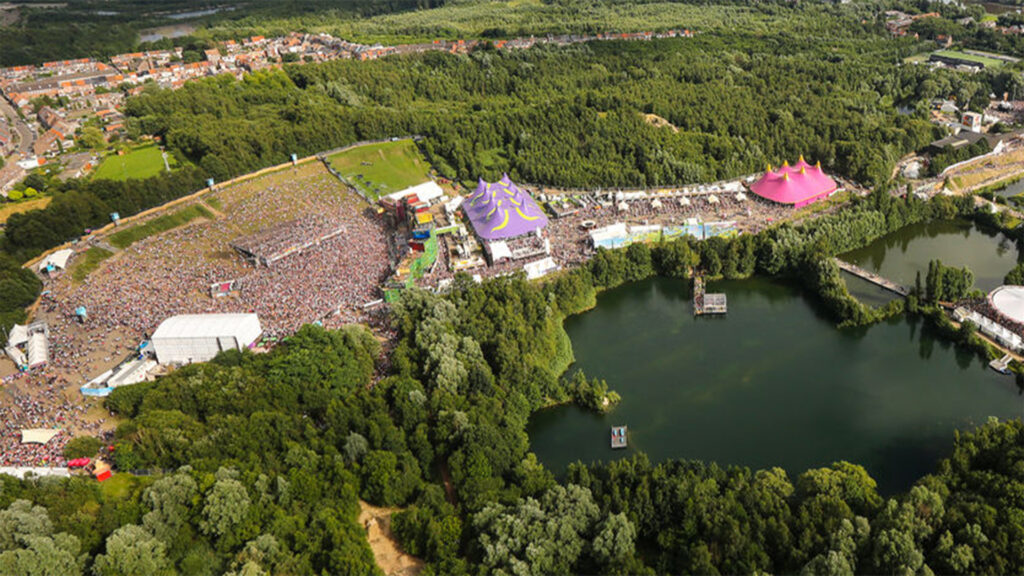
Held in Boom since 2005, Tomorrowland has established itself as the most famous electronic music festival in the world, with over 400,000 attendees across two weekends and live streams reaching millions of viewers. Its essence: combining music with a fantastical, theatrical world to create a unique immersive experience.
Production and design:
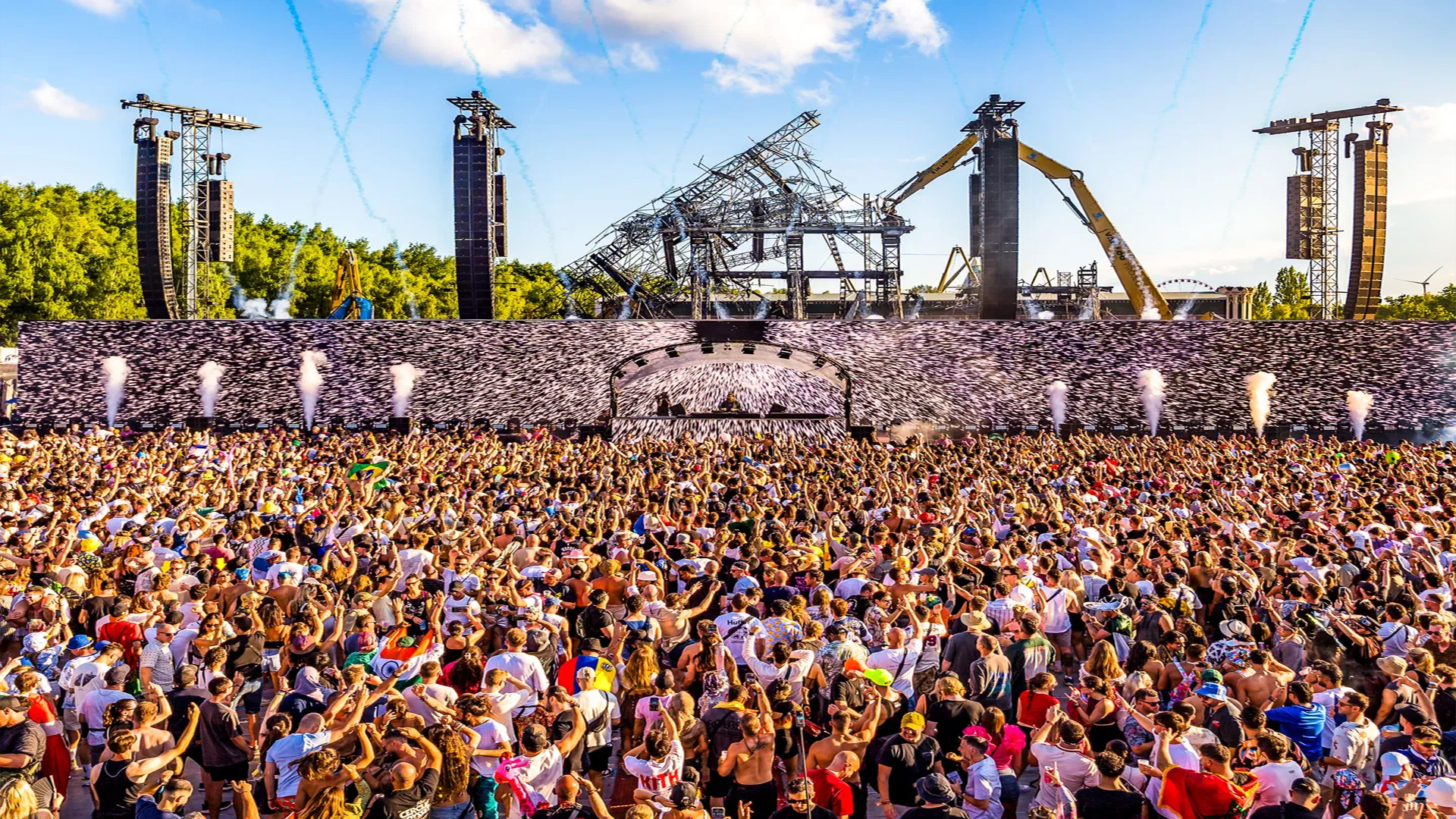
Every stage is a visual spectacle: projection mapping, pyrotechnics, lasers and giant structures designed by teams of engineers and artists. The themes change every year, with “magic portals” and stages that look like they came straight out of fantasy films.
Line-up and genres:
Tomorrowland covers the whole electronic spectrum: house, techno, trance, mainstream EDM, hardstyle and more. Artists such as Armin van Buuren, David Guetta, Charlotte de Witte and Amelie Lens have played its main stages, alongside hundreds of emerging DJs.
Fan experience:
Beyond the music, the festival offers themed chill-out areas, interactive activities, markets and exclusive merchandise. There are VIP packages that include transport, accommodation and access to private areas.
Impact and fun facts:
Tomorrowland directly influences global playlists, trends and the discovery of new artists. Every year, new talents gain international visibility thanks to the festival, making it a true musical springboard.
2. Ultra Music Festival (Miami, USA)
History and context:
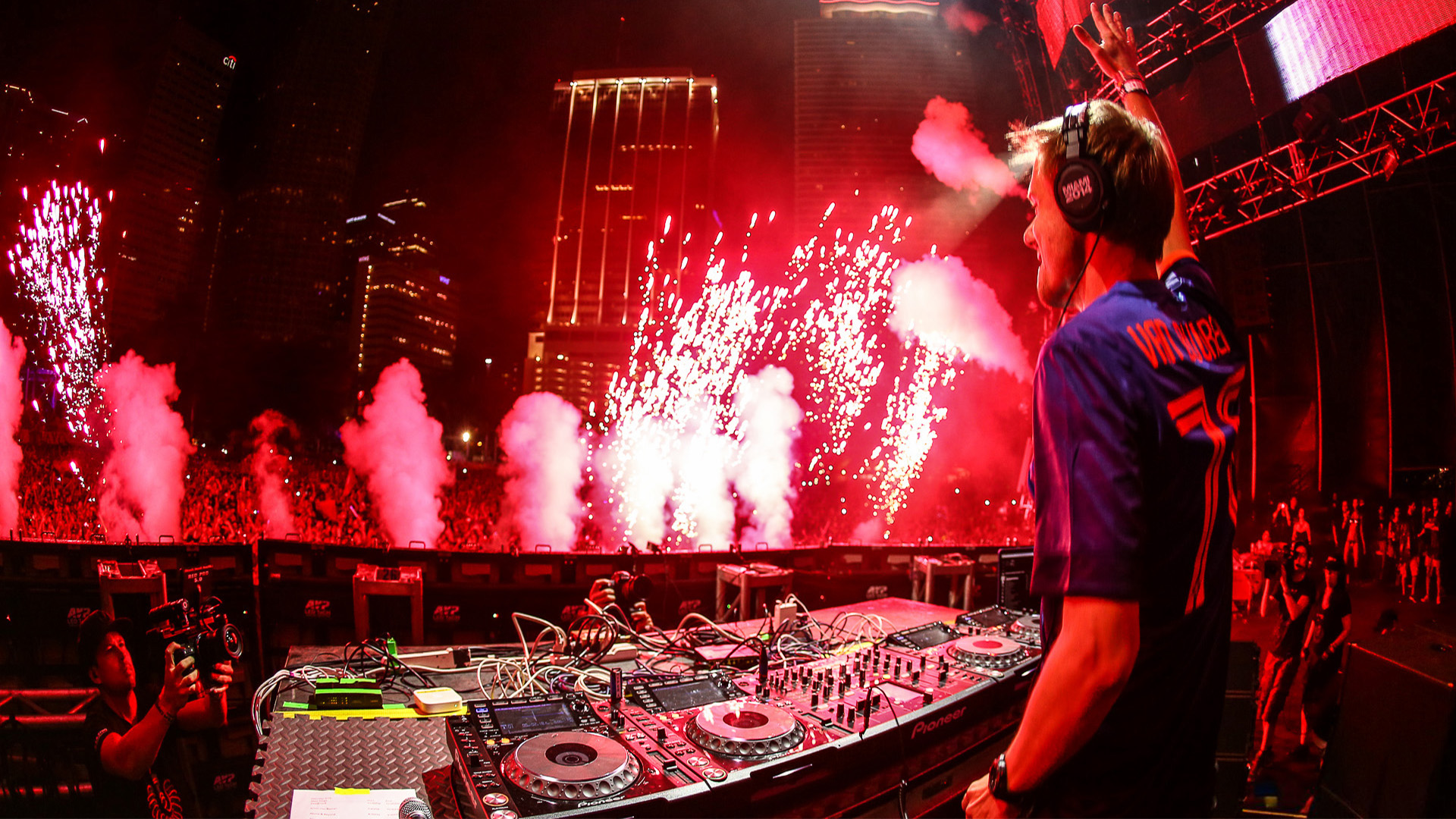
Founded in 1999, Ultra Music Festival takes place in Miami and has grown into an international benchmark. Its 2023 edition drew over 165,000 attendees a day, cementing it as North America’s key electronic music festival.
Production and design:
Ultra combines huge stages with LED screens, smoke effects and lasers synced to the beat. It also runs “Ultra Worldwide”, editions of the festival in different countries that export the original Miami experience.
Line-up and genres:
Ultra is known for mainstream EDM, progressive house and trance, with iconic artists such as Tiësto, Martin Garrix, Deadmau5 and The Chainsmokers. It also backs emerging artists and exclusive showcases.
Fan experience:
The festival offers VIP areas, an interactive app, live streaming of sets and side activities such as music production talks and networking for professionals.
Impact and fun facts:
Many artists choose Ultra to premiere new tracks, taking advantage of the global coverage and exposure to specialist media. This makes the festival a barometer of trends in North American and global electronic music.
3. Sónar Festival (Barcelona, Spain)
History and context:
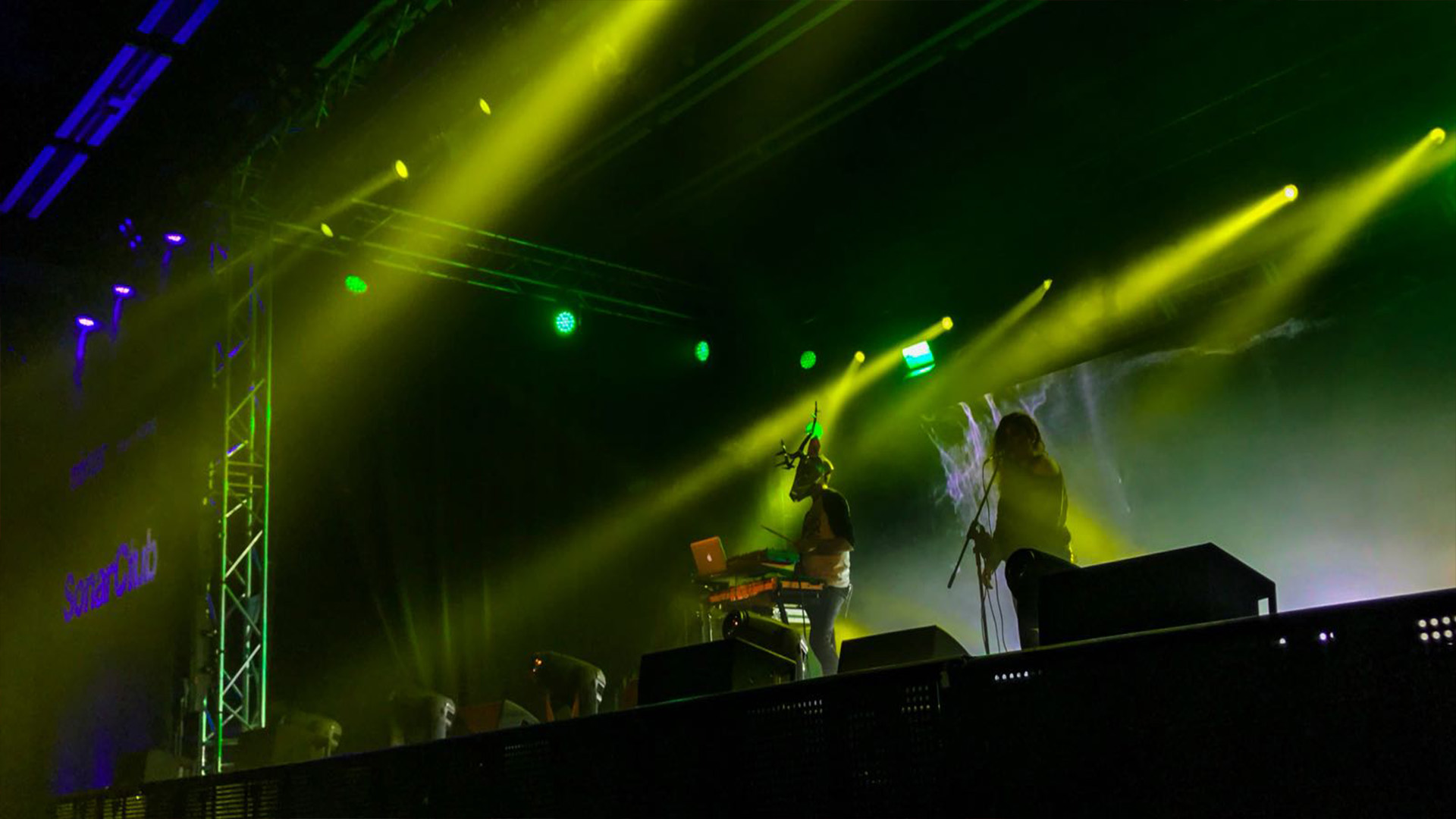
Sónar, created in 1994, is a pioneering festival of experimental electronic and advanced music. It takes place in Barcelona and combines performances with talks, workshops and digital art (Sónar+D).
Production and design:
Sónar’s stages are more minimalist than those of Tomorrowland or Ultra, but they innovate in lighting, projections and interactive technology. The production aims to merge art and music, with immersive installations for the audience.
Line-up and genres:
It covers techno, experimental house, ambient, glitch and advanced electronica. Artists such as Richie Hawtin, Nina Kraviz, Floating Points and Jon Hopkins have performed regularly.
Fan experience:
Attendees don’t just listen to music; they take part in talks on technology, creativity and production. There are interactive exhibitions and networking spaces that attract international producers and artists.
Impact and fun facts:
Sónar has driven trends in experimental electronic music and discovered talents who later break through globally. It’s a reference point for anyone looking for musical and cultural innovation.
4. Creamfields (United Kingdom)
History and context:
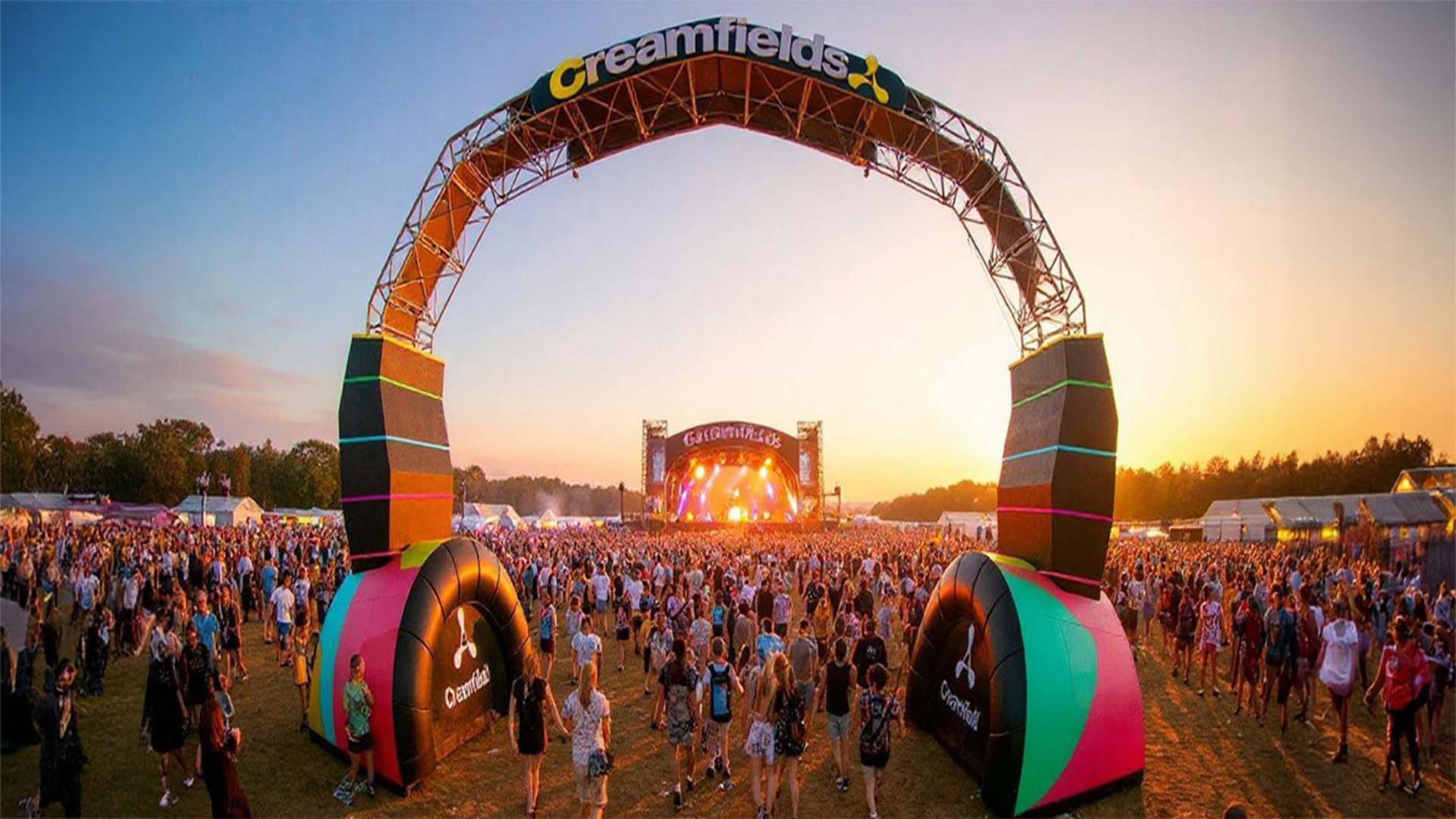
Since 1998, Creamfields has been held in Daresbury and is one of the biggest festivals in the UK, with over 70,000 attendees a day. Its reputation rests on its diversity of genres and quality of production.
Production and design:
Creamfields combines massive stages, pyrotechnics and top-level sound technology. The festival has VIP areas, themed zones and rest spaces that improve the audience experience.
Line-up and genres:
It includes EDM, house, trance, techno and drum & bass. Big names such as Carl Cox, Eric Prydz and Deadmau5 alternate with emerging artists.
Fan experience:
It offers camping, side activities, food areas and after-parties. Digital interaction through apps and social media is key for fans to plan and share their experience.
Impact and fun facts:
Creamfields sets trends in the UK and Europe. Many music releases and DJ collabs are first unveiled at this festival.
5. Awakenings (Netherlands)
History and context:
Awakenings was born in 1997 and has specialised in techno, becoming a benchmark for the genre. It holds several events throughout the year in Amsterdam and other venues in the Netherlands.
Production and design:
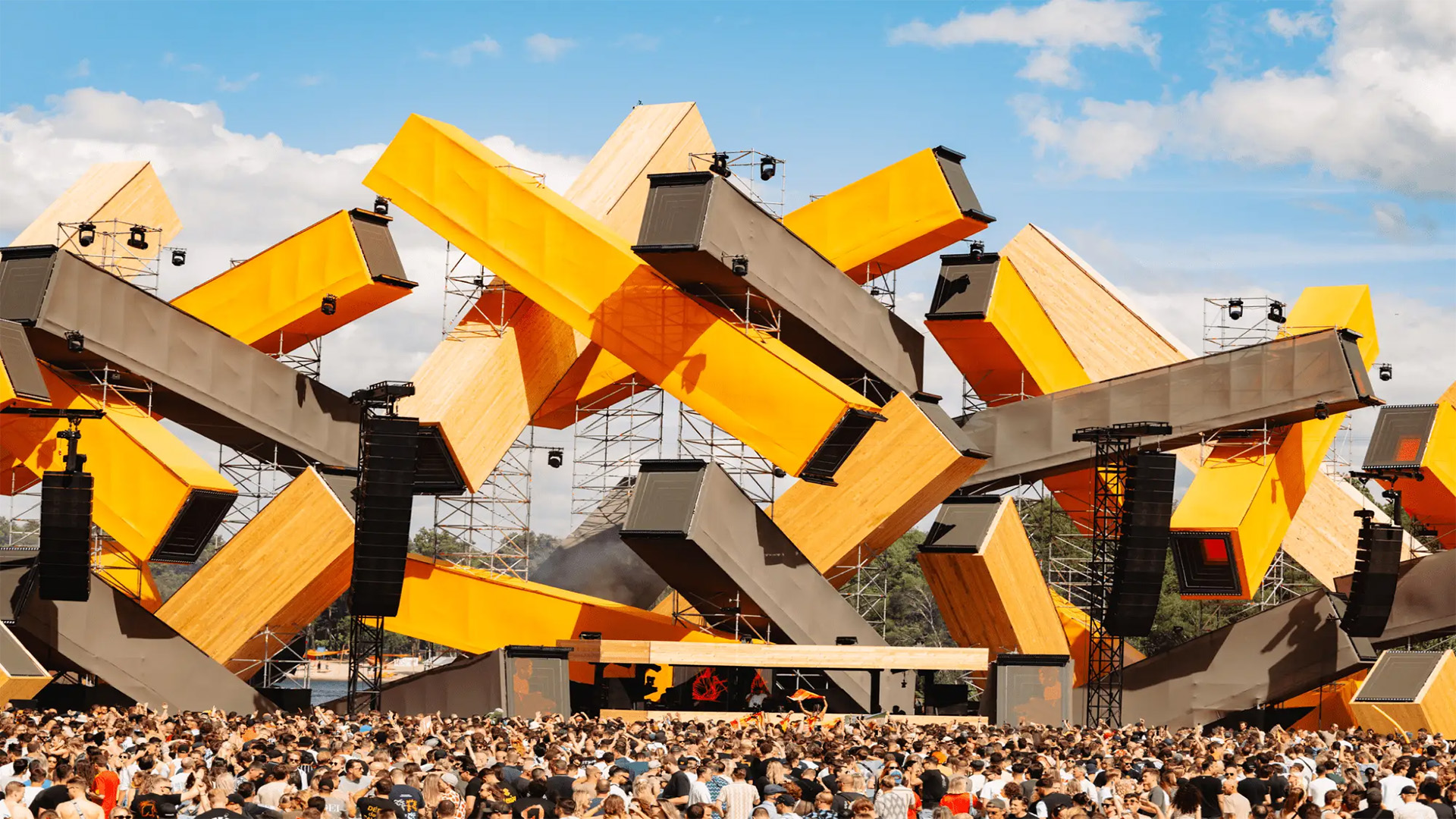
With stages dedicated to pure techno, Awakenings stands out for its powerful sound, synchronised lighting and psychedelic visuals that create total immersion for attendees.
Line-up and genres:
Famous for techno and minimal, with DJs such as Adam Beyer, Charlotte de Witte and Nina Kraviz. It also makes room for emerging talent within the style.
Fan experience:
Fans enjoy an intense sonic experience, with very active communities and authentic rave culture. Side events and limited-edition merchandise complete the experience.
Impact and fun facts:
Awakenings influences the global techno scene and has cemented the careers of international DJs. It also hosts parties all year round, keeping the connection with its community.
Knowing these festivals helps fans and professionals better understand the global electronic music scene: its history, innovation, trends and unique experiences. Each festival brings something different and is an opportunity to discover artists, styles and new ways of experiencing music.